Youth Basketball Development Programs
Explore structured approaches to developing young basketball players through age-appropriate training methods, skill progression frameworks, and long-term athlete development planning. This overview examines how coaching programs support player growth from foundational skills through advanced techniques.
Understanding Youth Basketball Program Structures
Youth basketball development programs follow established frameworks designed to introduce players to the sport systematically. These programs typically organize participants by age groups, each with specific training objectives and technical focuses.
Program structures generally progress from recreational foundations through competitive development stages. Beginning participants focus on basic movement patterns, court awareness, and enjoyment of the sport. As players advance, training becomes more specialized, addressing tactical understanding, physical conditioning, and position-specific skills.
Effective program organization requires clear progression pathways. Programs typically establish benchmarks for skill acquisition, conditioning standards, and tactical understanding at each developmental stage. This structured approach helps ensure players receive appropriate challenges suited to their current abilities while building foundations for future advancement.
Age-Appropriate Skill Development
Coaching methodologies for youth basketball emphasize progressive skill development tailored to each age group's physical and cognitive abilities. Younger players benefit from activities emphasizing fundamental movement patterns and basic basketball concepts. As players mature, instruction incorporates more complex technical and tactical elements.
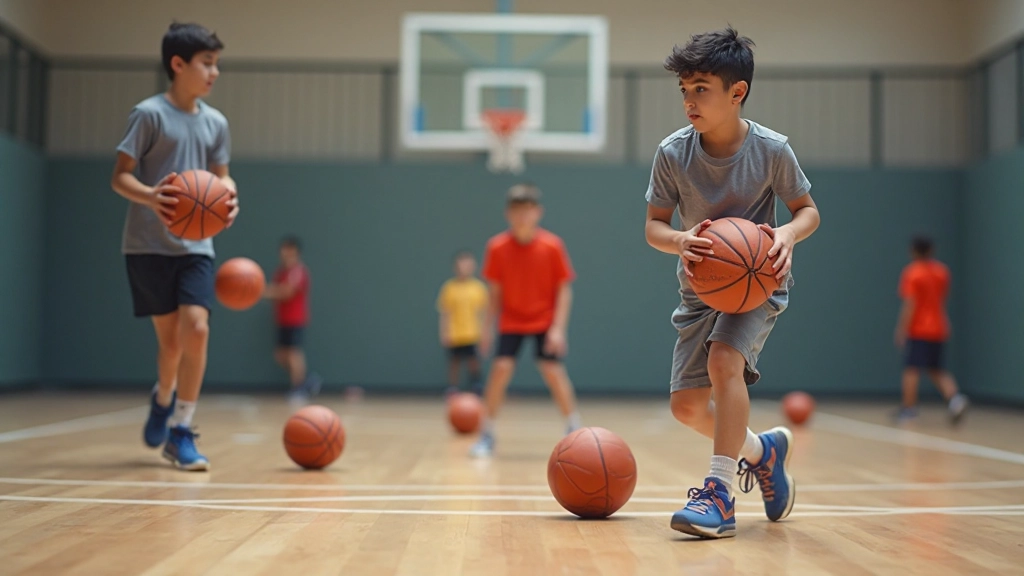
Early-stage development focuses on foundational skills including basic dribbling, passing, shooting mechanics, and defensive positioning. These skills form the foundation for all subsequent basketball development. Training sessions for younger players typically emphasize repetition, positive reinforcement, and game-based learning to maintain engagement and interest.
Key skill development areas include:
- Ball handling: Dribbling control, touch, and awareness in various game situations
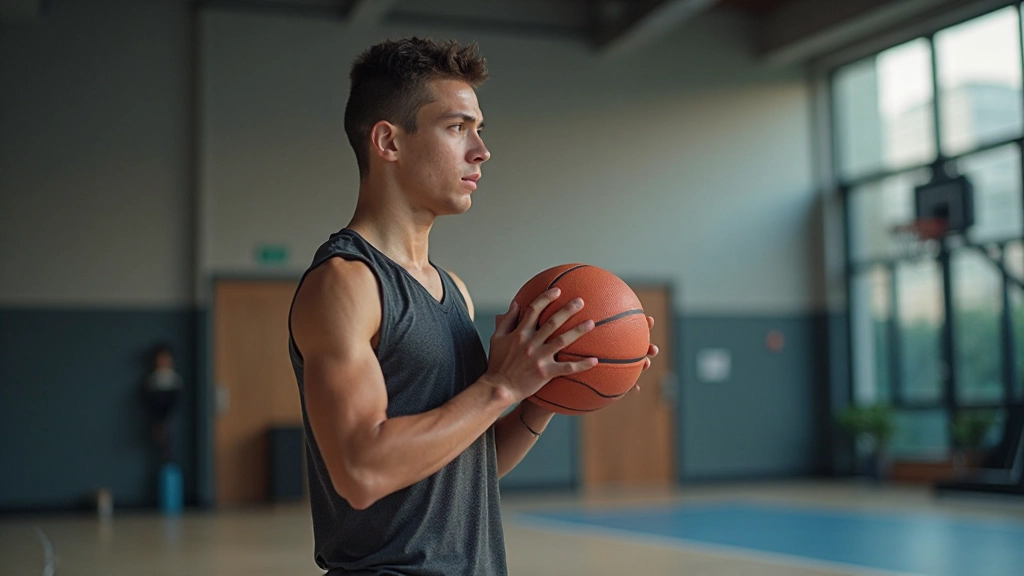
- Shooting mechanics: Proper form, footwork, and consistency from different court positions
- Passing accuracy: Different passing techniques and decision-making in team play
- Defensive fundamentals: Stance, positioning, and communication with teammates
- Court awareness: Understanding spacing, player positioning, and offensive/defensive concepts
- Physical conditioning: Cardiovascular fitness, strength development, and flexibility appropriate to age
Progression through these skill areas follows a logical sequence where foundational competencies support development of more advanced techniques. Coaches assess individual player progress and adjust instruction accordingly, ensuring each athlete receives appropriately challenging activities.
Coaching Methodologies and Player Development Planning
Instruction and Training Approaches
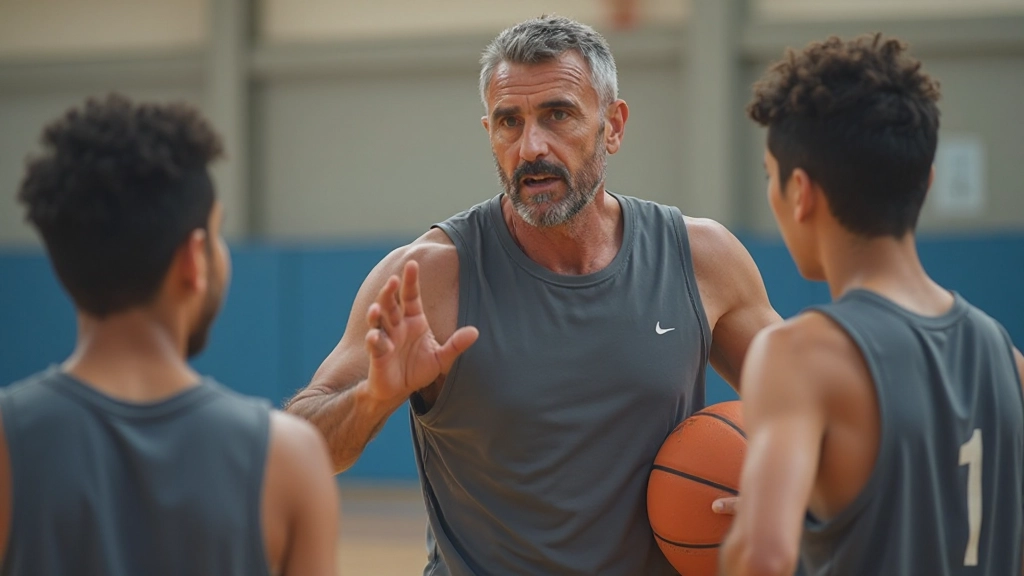
Modern youth basketball coaching incorporates varied teaching methods designed to accommodate different learning styles. Demonstration-based instruction, where coaches model correct techniques, remains fundamental. However, effective programs also employ practice games, small-sided competitions, and individual skill work to develop player understanding and capability.
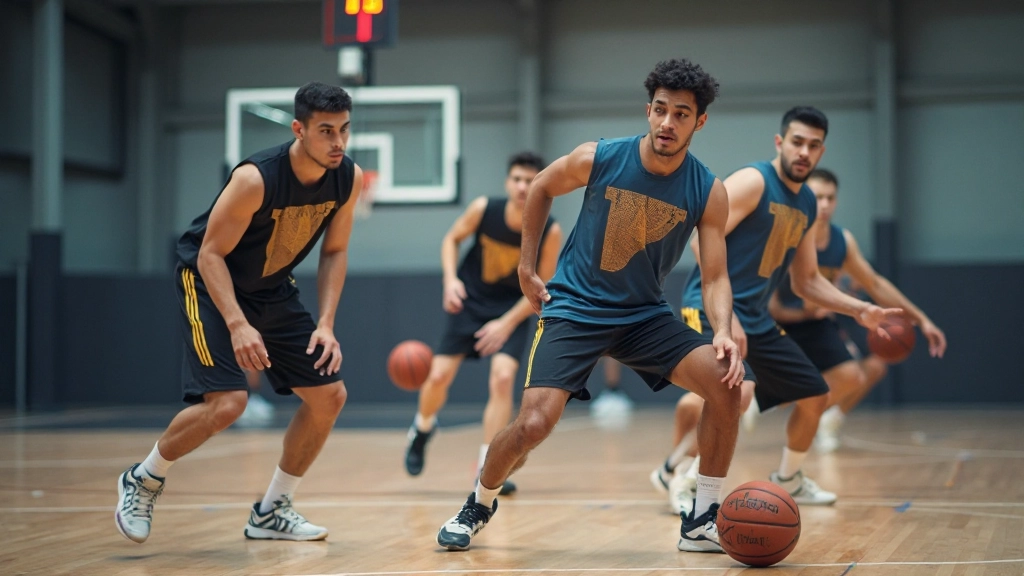
Practice session design emphasizes active participation where players spend significant time executing skills and game situations rather than waiting in lines. High-repetition drills allow players to develop muscle memory and automaticity in basic techniques. Incorporating competitive elements—even in practice—helps maintain engagement and prepares players for match situations.
Player engagement increases when practice activities include game-like elements and opportunities for competitive involvement. Training that combines individual skill development with small-group tactical work creates more comprehensive learning experiences than technique-only approaches.
Individual Assessment and Feedback
Effective coaching programs include systematic observation and feedback mechanisms. Coaches assess player performance across technical, tactical, physical, and mental dimensions. This comprehensive evaluation helps identify strengths to reinforce and areas requiring additional focus.
Quality feedback provides specific, actionable information about performance. Rather than general comments, effective feedback describes what was done well, what needs improvement, and how to achieve that improvement. Video analysis, when available, helps players visualize their technique and understand coaching points more clearly.
Long-Term Development Planning

Programs supporting long-term player development establish multi-year frameworks guiding progression from youth through higher competitive levels. These frameworks identify key developmental milestones and expected competencies at different stages.
Long-term planning considers:
- Technical skill benchmarks for each age/development level
- Tactical understanding progression and decision-making complexity
- Physical development considerations and appropriate conditioning methods
- Psychological development including confidence, resilience, and competitive focus
- Identification and specialization pathways for players showing particular promise
- Transition planning between different program levels and competitive environments
This comprehensive approach recognizes that player development encompasses more than technical skill acquisition. Programs address the complete player, supporting physical, tactical, and psychological development in balanced proportion. Players progressing through well-designed programs develop not only technical capability but also understanding of the sport and ability to apply knowledge in competitive contexts.
Supporting Player Retention and Development
Research on youth sports participation suggests that player enjoyment, meaningful skill progress, and supportive coaching relationships significantly influence continued participation. Programs designed with these factors in mind maintain higher participation rates and develop more committed players.
Creating positive training environments includes:
- Balancing instruction with enjoyable, game-based activities
- Providing meaningful feedback that supports improvement
- Recognizing and celebrating individual progress alongside competitive achievement
- Fostering inclusive team environments where players of different abilities feel valued
- Establishing clear pathways for advancement and specialization
- Maintaining appropriate challenge levels that engage without overwhelming players
Information Disclaimer
This content provides educational information about youth basketball development programs and coaching methodologies. It is intended for informational purposes only and does not constitute professional coaching advice or training prescriptions.
Individual player development outcomes depend on numerous factors including age, prior experience, physical capabilities, training environment, and coaching quality. Programs should be adapted to individual circumstances and implemented by qualified coaches. Parents and administrators should consult with experienced basketball professionals regarding program design and implementation appropriate to their specific context.
Related Articles