Athletic Conditioning for Basketball Players
Comprehensive guide to developing the physical capabilities that support basketball skill execution. This resource explores conditioning methodologies, strength development approaches, and cardiovascular training protocols designed to enhance athletic performance on the court.
Understanding Basketball-Specific Conditioning
Basketball conditioning differs from general fitness training due to the sport's unique physiological demands. Players must develop capabilities across multiple energy systems simultaneously: aerobic endurance for sustained performance, anaerobic capacity for explosive movements, and muscular strength for controlled execution of technical skills.
Effective conditioning programs address the intermittent nature of basketball, where players alternate between high-intensity efforts lasting 30 seconds to 2 minutes and recovery periods. This pattern repeats throughout a game or practice session, requiring adaptation to both aerobic and anaerobic training stimuli.
Key Conditioning Components
- Aerobic base development through steady-state running and interval training
- Anaerobic power training for explosive movements and quick acceleration
- Muscular strength development for injury prevention and force production
- Agility and change-of-direction work specific to court movements
- Recovery capacity to maintain performance across multiple efforts
- Movement efficiency to reduce energy expenditure during technical execution
Training Methods and Approaches
Various conditioning methods provide different physiological adaptations. Understanding each approach helps coaches and athletes select appropriate training protocols based on current conditioning levels and specific performance goals.
High-Intensity Interval Training
Alternating short bursts of maximum effort with brief recovery periods. This approach develops anaerobic capacity and power output necessary for explosive movements like jumping, sprinting, and quick direction changes.
Aerobic Conditioning
Sustained effort at moderate intensity builds the aerobic foundation that supports repeated high-intensity efforts. This base capacity enables players to maintain consistent performance throughout extended practice sessions and games.
Strength Development
Structured resistance training builds muscular strength and power, supporting injury prevention and enabling more forceful execution of technical movements. Sport-specific strength transfers directly to on-court performance.
Cardiovascular Development Strategies
Basketball requires different types of cardiovascular adaptation. Players benefit from varied training approaches that develop both aerobic capacity and the ability to recover quickly between intense efforts.
Tempo Training
Moderate-intensity running at controlled speeds builds aerobic capacity while maintaining movement specificity. Players can perform tempo work on court using court-based movements or off-court running at intensities that challenge the aerobic system without maximum effort.
Interval Protocols
Structured work-to-rest ratios (such as 30 seconds maximum effort followed by 30 seconds easy recovery) replicate game intensity patterns. These protocols improve the body's capacity to recover quickly and maintain power output across multiple efforts.
Repeated Sprint Ability
Training the capacity to perform multiple sprints with minimal recovery develops a critical basketball capability. This involves sprint intervals of 5-20 seconds with short recovery periods that stress both power production and recovery systems.
Court-Specific Conditioning
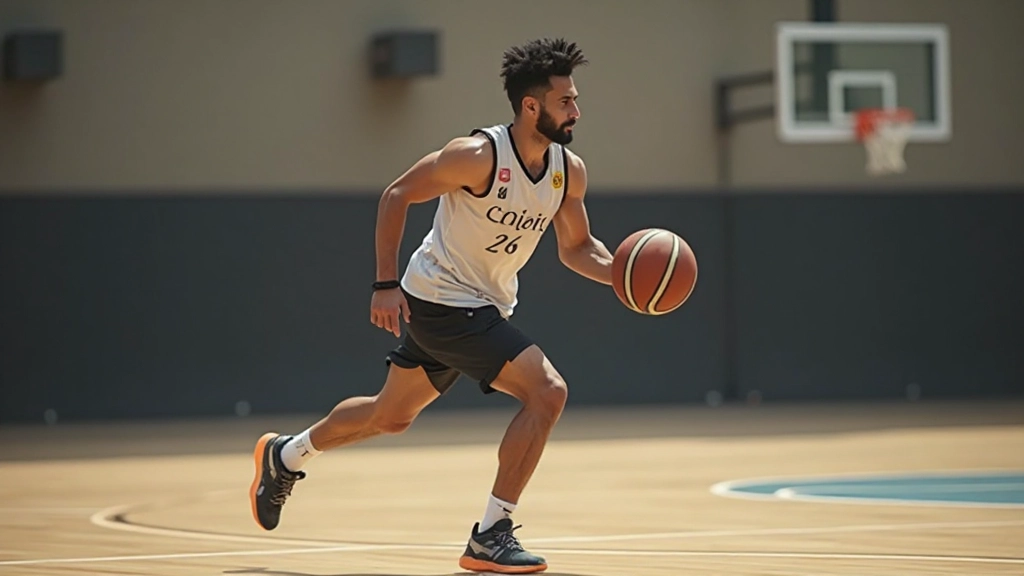
Performing conditioning work on the basketball court using sport-specific movement patterns provides simultaneous skill practice and cardiovascular development. Shuttle runs, defensive slide sequences, and game-situation drills develop conditioning while reinforcing technical movement patterns.
Periodization and Progressive Development
Effective conditioning programs follow periodized structures that vary training stimulus throughout the year. This approach prevents adaptation plateaus and manages fatigue while systematically building different fitness qualities.
Off-season phases emphasize building aerobic base and strength capacity. Pre-season transitions emphasize game-specific conditioning and movement efficiency. In-season programming maintains performance while managing accumulated fatigue from competition and training.
Progressive overload—gradually increasing training intensity, volume, or complexity—drives continuous adaptation. However, increases must occur gradually to allow physiological adaptation and reduce injury risk. Conditioning improvements develop over weeks and months, not days.
Integration of conditioning with technical skill development maximizes training efficiency. When possible, conditioning work incorporates basketball-specific movements and decision-making, supporting simultaneous development of physical and technical capabilities.
Educational Information
This content provides educational information about athletic conditioning approaches and training methodologies. The information presented represents general approaches and does not constitute personalized coaching or professional training advice specific to individual circumstances.
Individual response to training varies based on age, current fitness level, previous experience, injury history, and numerous other factors. Anyone beginning a new conditioning program should consult with qualified coaching professionals or sports medicine specialists to ensure appropriateness for their specific situation.
Related Resources